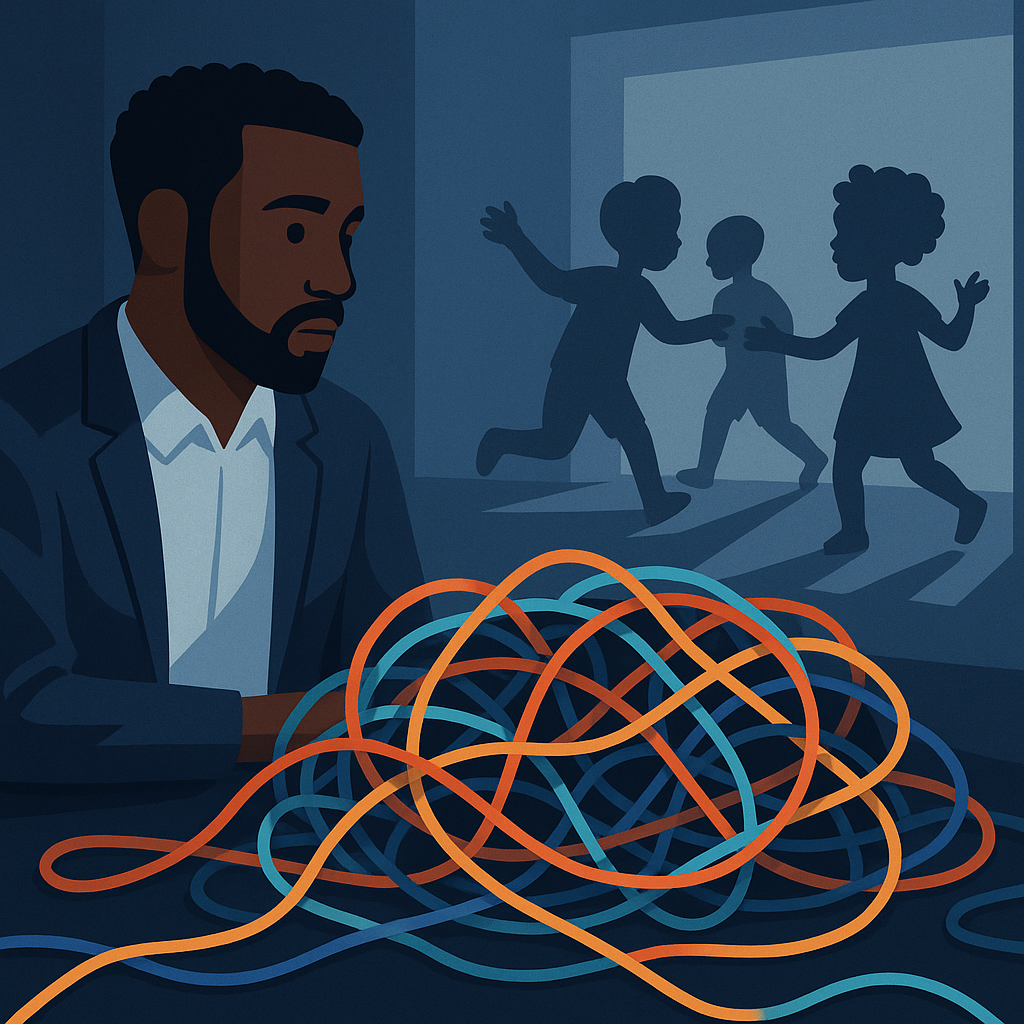
The liar can be the most honest person in the whole situation. It took my kid's friend drama for me

Chris Gray
Mentor
In this insightful post, Chris Gray explores how perceived dishonesty often stems from our own misconceptions. He shares a personal story about his daughter's friend drama that reveals deeper truths about honesty and self-awareness.
In life, we often encounter individuals who seem to be dishonest or inconsistent. Yet, surprisingly, the most honest person in any situation can sometimes be the liar. The key to understanding this paradox lies in recognizing that it's our perception that often distorts the truth. Through a recent experience involving my daughter’s friend drama, I discovered profound insights about honesty, self-awareness, and the relationships we cultivate.
How does friend drama reveal deeper truths?
As I was putting my daughter to bed one night, she began sharing stories about a friend who had been unkind to her. With each incident, my daughter expressed surprise at her friend's behavior, unaware that this pattern was consistent. This prompted me to give her a dad talk about recognizing the nature of people. I remembered a classic tale: that of a scorpion and a frog. In this story, the scorpion convinces the frog to carry it across a river, only to sting the frog midway, leading to both their demise. When asked why it did this, the scorpion simply replied, "That’s just my nature."
As I shared this story with my daughter, a realization hit me. I had someone in my life who mirrored this scorpion's behavior. Every time they did something decent, I found myself justifying their actions and believing they were changing. But the truth was, their nature hadn't changed; I was the one romanticizing their behavior to fit a narrative that was easier for me to accept.
Why do we create narratives around others?
It's easy to fall into the trap of constructing a more palatable version of someone. This is often a defense mechanism, allowing us to cope with the discomfort of their true nature. We want to believe that people can change, that their good actions outweigh the bad. Yet, this can lead to disappointment and hurt when we inevitably get stung. In my case, I realized that my daughter understood this better than I did. Kids have a remarkable ability to see things as they are, without the layers of excuses we adults often apply.
What is the lesson in self-awareness?
The real takeaway from this experience is the importance of self-awareness. Recognizing that the scorpion never actually lied forces us to confront our own biases and misconceptions. Honesty, in this case, is defined by consistency. We often project our desires for people to be better than they are, which clouds our judgment and leads to repeated disappointments.
Just last month, this individual in my life performed another decent act, and once again, I felt that familiar temptation to excuse their past behavior. I had to remind myself of the lesson I’d learned: to resist the urge to create a new narrative based on one good deed. This self-awareness is a crucial part of personal development. It frees us from the cycle of disappointment and helps us build healthier relationships based on reality rather than fantasy.
How can you apply this insight to your life?
Here are some actionable steps you can take to enhance your self-awareness and improve your relationships:
- Reflect on past experiences: Take time to journal or think about individuals in your life who have consistently let you down. Acknowledge their true nature instead of rationalizing their behavior.
- Set boundaries: Understand that it’s okay to distance yourself from people who don’t align with your values. Protecting your emotional well-being should be a priority.
- Practice honesty with yourself: Accept people for who they are, rather than who you want them to be. This shift in perspective can lead to healthier interactions.
- Communicate openly: If someone’s behavior bothers you, have an honest conversation with them. This can provide clarity and possibly improve the relationship.
- Teach others: Share these lessons with your children or peers. Encouraging them to recognize patterns in behavior helps cultivate a more honest and aware environment.
Key Takeaways
- Honesty can manifest through consistent behavior, even if it’s negative.
- Self-awareness is crucial for personal growth and healthy relationships.
- Creating narratives around others can lead to disappointment; focus on reality instead.
- Set boundaries to protect your emotional well-being.
- Teach and encourage honesty in your community.
In conclusion, my daughter’s friend drama served as a powerful reminder that sometimes the most honest characters in our lives are those we perceive as dishonest. By embracing self-awareness and understanding human nature, we can navigate our relationships more effectively. As I continue to learn from these experiences, I hope to foster a deeper understanding of the people around me—just as I encourage my daughter to do.
Follow me on Instagram @yochrisgray for more insights on self-awareness, personal development, and entrepreneurship.