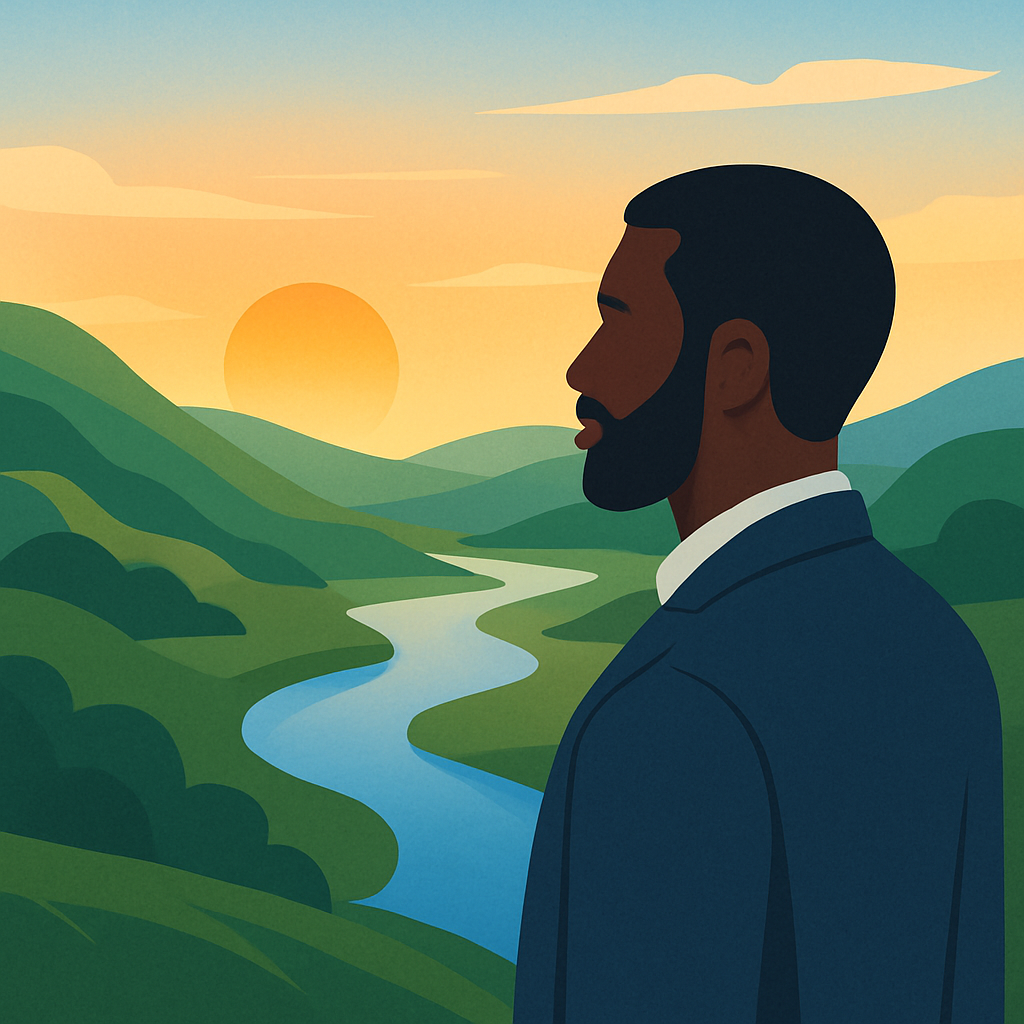
The Erf isn’t for sale.

Chris Gray
Mentor
In this article, Chris Gray explores the concept of value and ownership, emphasizing that the earth isn't for sale. Discover insights into what true worth means.
What Does It Mean That the Earth Isn’t for Sale?
When we think about the earth, our first instinct might be to assign a monetary value to it. However, I believe that the earth isn’t for sale in the traditional sense. It’s about understanding the intrinsic value of what we inhabit and our unique role as custodians of this planet.
Why Is Understanding Earth’s Value Important?
The conversation about value often revolves around money. But when it comes to the earth, the meaning of value transcends financial figures. We need to appreciate what the earth provides—our resources, our environment, and our future.
In my experiences, I've come to recognize that our relationship with the earth shapes our lives. Instead of viewing land and resources as commodities to be bought and sold, we should see them as vital components of our existence. This shift in perspective helps us to be more responsible stewards of our environment.
How Do We Measure the Value of the Earth?
Measuring the value of the earth isn’t straightforward. It involves considering ecological, social, and personal dimensions. For example, think about the forests that give us clean air or the oceans that sustain marine life. These ecosystems have immeasurable value that goes beyond their economic contribution.
Ecological Value
Each ecosystem plays a critical role in maintaining balance. The loss of biodiversity or the destruction of habitats can have catastrophic consequences for humanity. By recognizing this, we can start to understand that the real wealth of the earth cannot be quantified in dollars.
Social Value
Communities thrive based on their connection to the land. The earth provides not just resources, but also a sense of belonging and identity. For many indigenous cultures, the earth is sacred and their way of life is intertwined with their land. This social connection emphasizes the importance of valuing the earth in ways that resonate with people.
Personal Value
On a personal level, the earth offers us experiences that are priceless. Think about the joy of hiking in nature or the tranquility of a sunset on the beach. These moments enrich our lives and contribute to our mental well-being. When we understand the personal value of our environment, we cultivate a deeper appreciation for it.
What Can We Do to Honor the Value of the Earth?
Taking action is essential in honoring the earth’s value. Here are some steps we can take:
- Practice Sustainable Living: Adopt habits that reduce your carbon footprint and promote sustainability.
- Support Conservation Efforts: Get involved with local organizations working to protect natural habitats and biodiversity.
- Educate Others: Share your knowledge about the importance of valuing the earth and encourage others to join in.
- Connect with Nature: Spend time outdoors, appreciate the beauty around you, and develop a personal connection with the environment.
Key Takeaways
- The earth’s value goes beyond monetary worth; it encompasses ecological, social, and personal dimensions.
- Understanding the earth's intrinsic value encourages responsible stewardship of the environment.
- Taking action through sustainable living and conservation can help honor the earth.
- Personal experiences in nature enrich our lives and highlight the importance of valuing our environment.
- Connecting with nature fosters a deeper appreciation for our planet and its resources.
In conclusion, the notion that the earth isn’t for sale serves as a powerful reminder of the true value of our planet. It challenges us to think beyond financial transactions and consider our role as caretakers of the earth. As Chris Gray, I encourage you to reflect on your relationship with the environment and take steps to honor its intrinsic worth.