Why I Hated My Daughter Crying

Chris Gray
Mentor
In this post, Chris Gray shares a pivotal moment in his parenting journey that reshaped his approach to dealing with emotions. Learn how embracing feelings can lead to personal growth.
Why I Hated My Daughter Crying
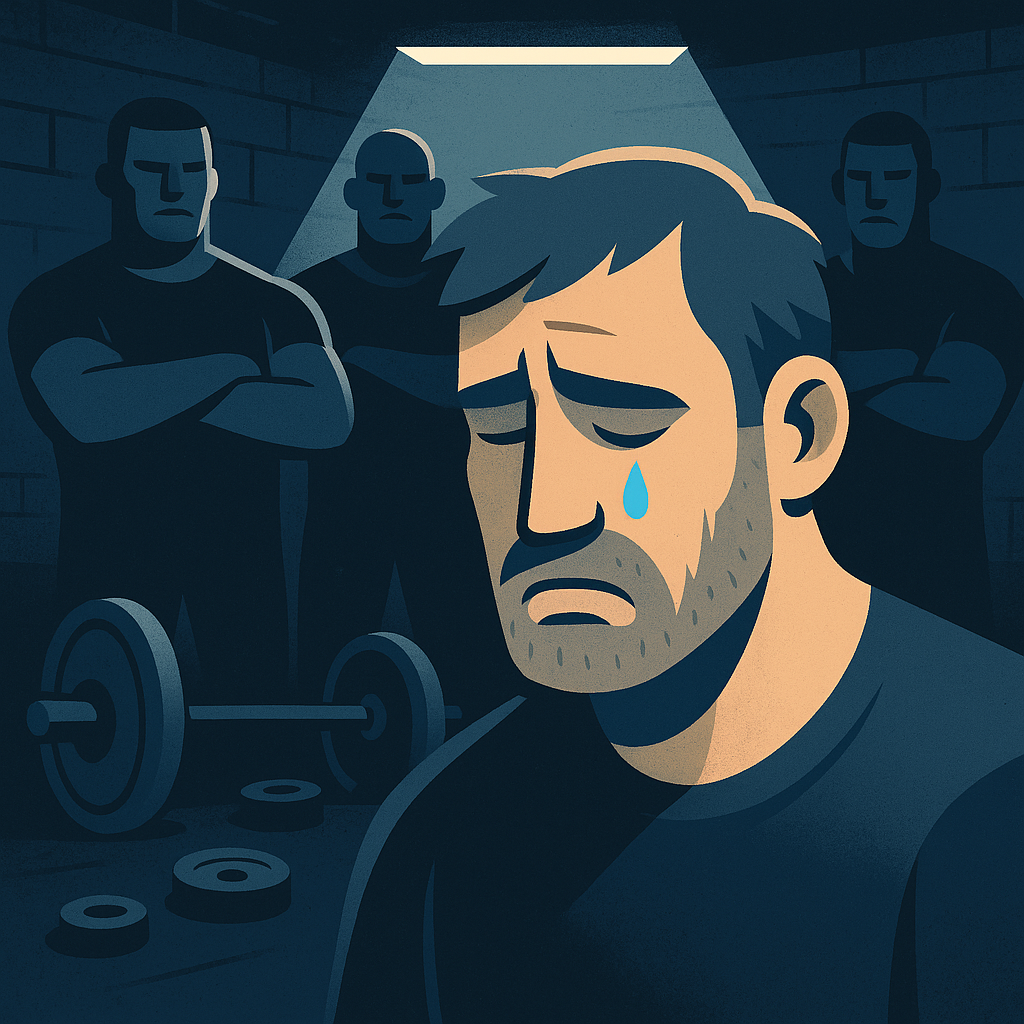
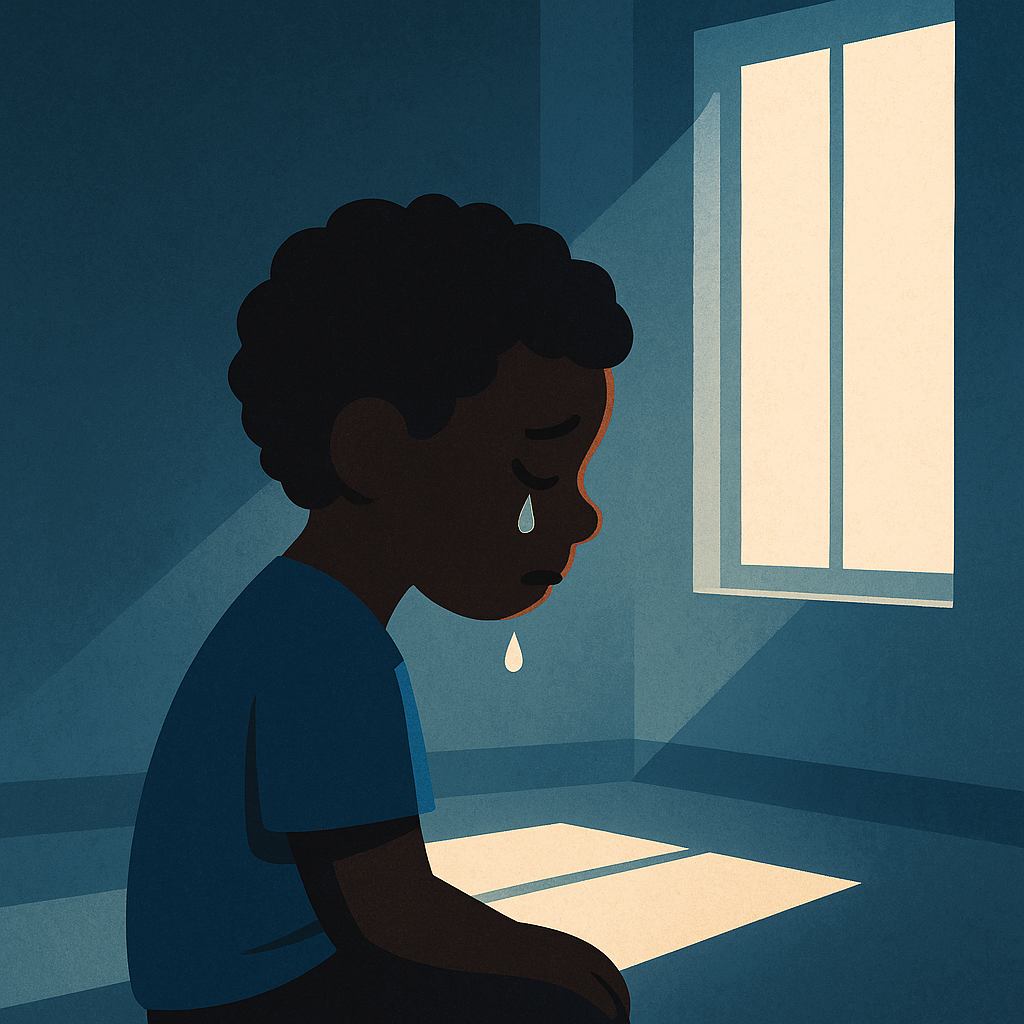
As a parent, I've often found myself in situations where my child's emotions feel overwhelming. I remember watching my daughter cry over something that seemed trivial to me, and my instinct was to tell her to stop. In that moment, I thought I was teaching her to be tough. But looking back, I realize that my discomfort with her emotions was a reflection of my own struggles with big feelings.
What Does It Mean to Teach Toughness?
In my early attempts at parenting, I equated toughness with emotional suppression. I thought that by urging my daughter to toughen up, I was preparing her for the realities of life. However, this approach was misguided. What I was actually doing was avoiding her emotions because they made me uncomfortable. I didn't know how to handle such raw feelings, and rather than supporting her, I was trying to push her feelings away.
How Should We Handle Our Children's Emotions?
What I've come to understand is that my daughter was doing the healthy thing. She was expressing her feelings openly, and then she would move on. This is something I had unlearned somewhere along the way. I realized that I had been correcting her for doing the right thing. Instead of teaching her resilience, I was stunting her emotional growth.
Why Embracing Emotions Matters
When I finally sat down with my daughter to apologize for my previous responses, it was a pivotal moment. I told her that her feelings were valid and that she was doing the right thing by expressing them. This conversation opened my eyes to a larger pattern in my life. I noticed that I often employed similar tactics in various situations. When my wife would express frustration, I would shut down instead of engaging. In business, when challenges arose, I would externalize the blame — bad clients, a tough market, and so on. I was using the same avoidance strategies in different areas of my life.
What Can We Learn from This Experience?
Recognizing this pattern was a significant step for me. It didn't mean that my instinct to avoid discomfort disappeared overnight. I still feel the urge to shut down when faced with big emotions. The difference now is that I'm aware of it. I can catch myself before I fall back into those old habits, and occasionally, I choose to engage instead of retreat.
How Can You Apply This to Your Life?
1. **Acknowledge Your Feelings**: Just as I learned to acknowledge my daughter's feelings, start recognizing your own emotions. Understand that it's okay to feel uncomfortable.
2. **Stay Engaged**: When faced with discomfort, whether with your children, partner, or in your professional life, try to stay present. Engage in conversations instead of avoiding them.
3. **Practice Openness**: Create a safe space for emotional expression. Let your loved ones know that their feelings are valid and that it's okay to share them openly.
4. **Reflect**: After emotional encounters, take time to reflect on what worked and what didn't. This will help you grow and improve your emotional responses.
Key Takeaways
- Emotional expression is healthy and necessary for growth.
- Avoiding discomfort can hinder both personal and emotional development.
- Engaging with emotions can strengthen relationships and foster resilience.
- Recognizing patterns in your behavior is essential for personal growth.
- Creating a supportive environment encourages openness and honesty.
In conclusion, this journey has taught me that embracing emotions, rather than pushing them away, ultimately leads to stronger connections with my loved ones. If any of this resonates with you, I invite you to share your thoughts. Let's learn and grow together in this healing journey.