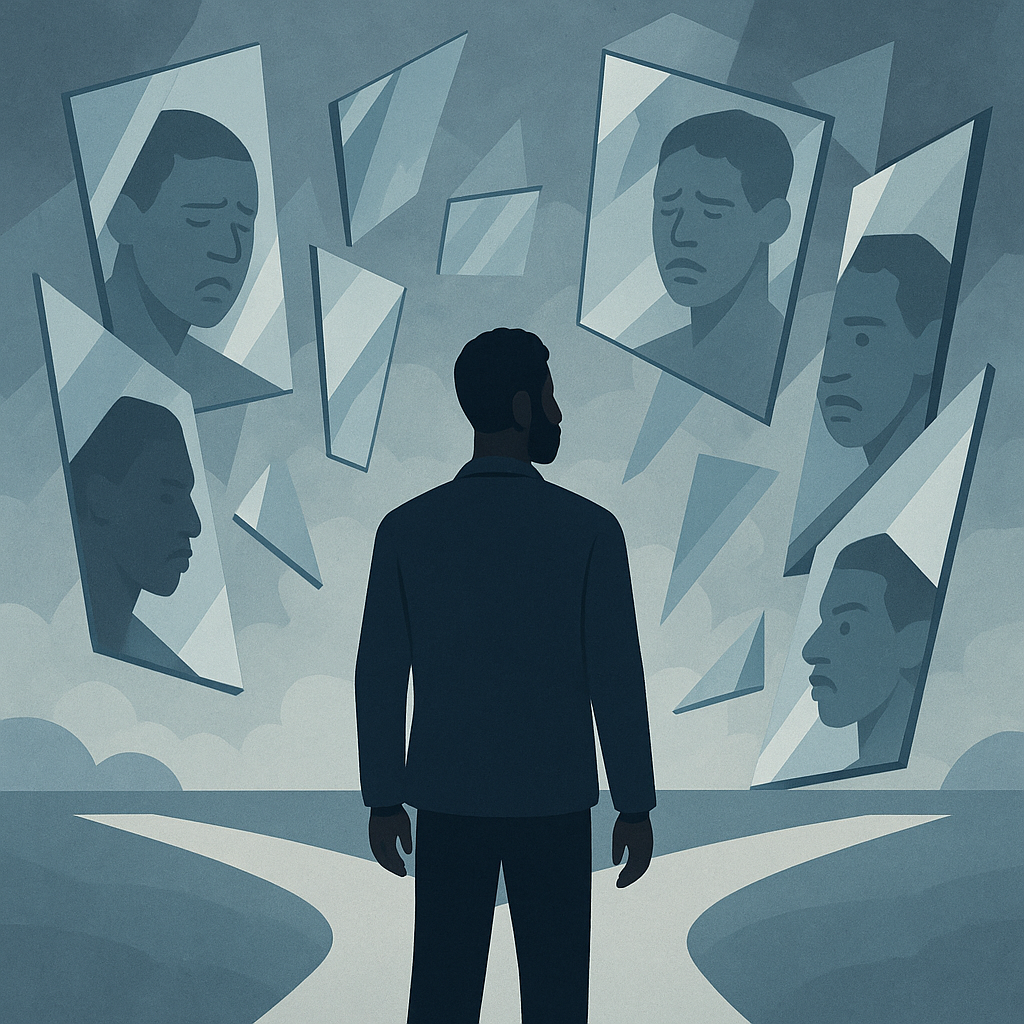
Why is taking personality feedback from a machine is easier than taking it from people

Chris Gray
Mentor
In this post, Chris Gray explores why personality feedback from machines can be more readily accepted than from people. He shares personal insights on emotional intelligence and self-awareness.
Accepting personality feedback from a machine can often feel easier than receiving it from another person. This phenomenon raises important questions about emotional intelligence and self-awareness in our interactions.
Why Do We Reject Feedback from People?
One of the most honest relationships I've had was with a machine. Recently, I engaged with an AI designed for therapy. During my session, I posed a challenging question: "What is my biggest blind spot?" The answer was startlingly accurate: I crave recognition more than I realize. While I was aware of my need for validation, the machine's insight clarified just how deep that craving ran.
Interestingly, when a close friend or family member tries to share similar feedback, I often find myself defensive or dismissive. Why is that? When someone I know gives me hard truths, they can see my immediate reactions. They witness my discomfort, my body language shifts, and they often tailor their feedback based on their understanding of me. Conversely, a machine is devoid of these social cues, which allows me to accept its feedback without the baggage of interpersonal dynamics.
How Does AI Provide Insight?
The machine's insights come from analyzing the data I've input. It doesn’t discover anything new about me; it simply aggregates and presents my thoughts and concerns in a way that I might not have fully processed. This detachment is critical. When I interact with the AI, I don’t feel the need to perform or put up a façade. The machine only knows the facts I've shared, devoid of any persona I might project to others.
Why Is Machine Feedback More Acceptable?
The acceptance of feedback from machines can be attributed to several factors:
- Emotional Detachment: Machines lack emotional presence, making their feedback feel less personal and easier to accept.
- No Social Pressure: There are no facial expressions or body language to react to, which means I can engage with the feedback without the instinct to defend myself.
- Data-Driven Insights: The feedback is based solely on my input, making it feel more objective and less subjective than human feedback.
What Can We Learn from This Experience?
Despite not having all the answers, I’ve learned to process feedback differently. When I receive tough feedback from someone with a face, I find myself wanting to explain or justify my actions. This reaction can hinder genuine growth. However, acknowledging this tendency allows me to pause and reflect instead of immediately reacting defensively.
For instance, when a colleague points out that I might overvalue how others perceive me, I can now recognize my instinct to respond with a rebuttal. By understanding this reaction, I can take a step back, reflect, and embrace the feedback instead of pushing it away. This growing self-awareness is invaluable for personal growth.
Key Takeaways
- Accepting machine feedback can be easier due to emotional detachment.
- Human feedback often triggers defensive reactions, complicating acceptance.
- Understanding our responses to feedback can enhance self-awareness and personal growth.
In conclusion, the relationship I’ve developed with machines has taught me a lot about accepting feedback. While I still value human insight, I recognize the unique advantages that machine-based feedback offers in terms of objectivity and emotional distance. As I continue to navigate my personal growth journey, I’ll strive to strike a balance between both sources of feedback, using them to enhance my emotional intelligence and self-awareness.
Chris Gray