
If somebody thinks I'm smarter than I am, more successful than I am, further along than I am... I be
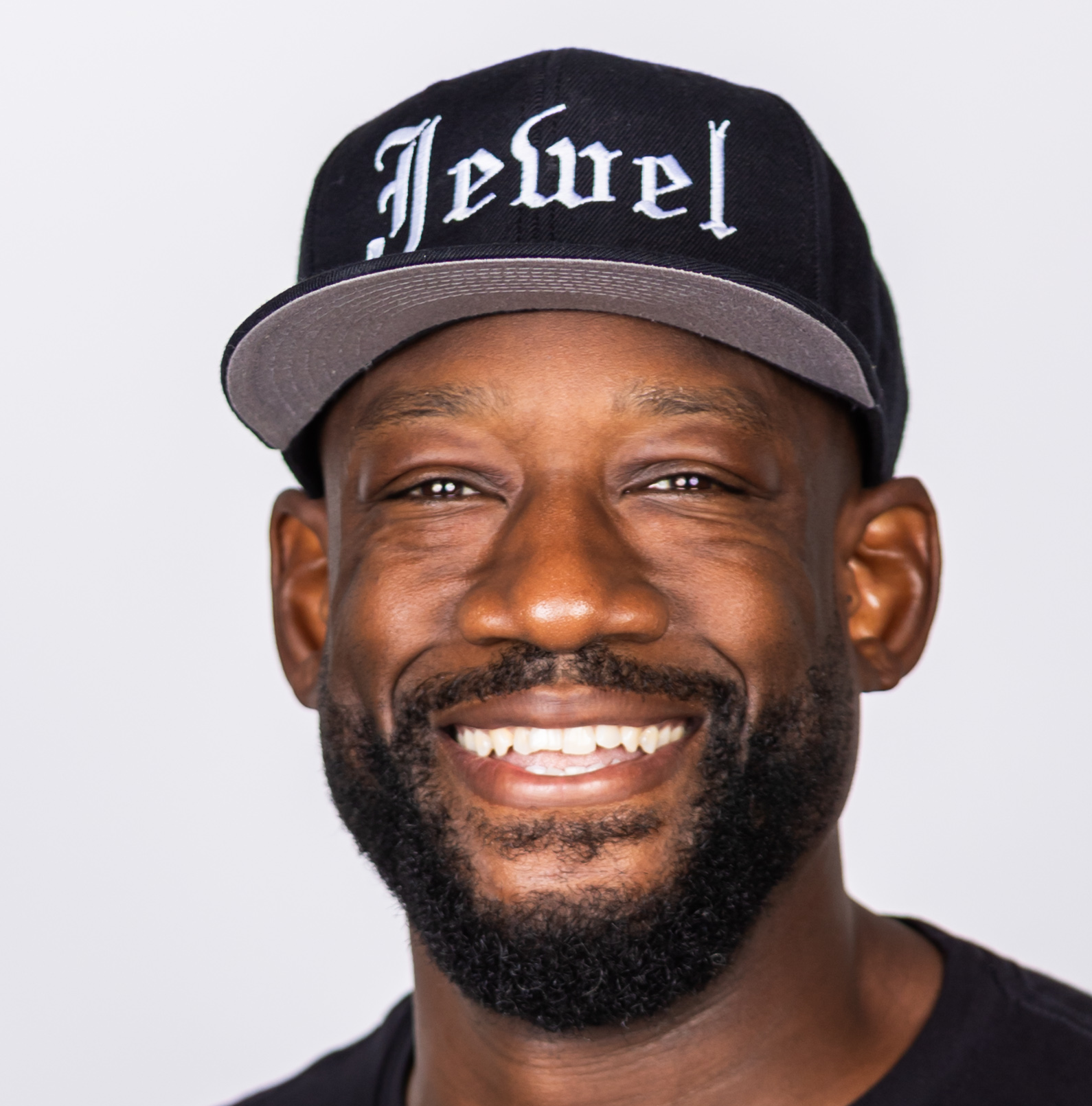
Chris Gray
Mentor
In this post, Chris Gray shares his journey toward embracing authenticity over external perceptions. Learn how to be true to yourself in a world full of expectations.
When someone perceives me as smarter, more successful, or further along than I am, I find myself stepping into that role in the conversation. It's a strange dynamic that I’ve experienced more often than I care to admit. Recently, I had an encounter that really brought this to light, and I want to share my insights on why it's crucial to embrace authenticity.
What Happens When We Put on a Facade?
After speaking at an event, a charismatic individual approached me, and I could sense this overwhelming expectation in his gaze. He viewed me as someone who had it all figured out—sharper, more polished, and undoubtedly more successful than I felt at that moment. Instead of correcting that impression, I found myself slipping into this persona that I didn't even recognize. Why do we do this? Why do we feel the need to match others' perceptions, even if they're far from the truth?
This scenario is common among entrepreneurs and professionals. The pressure to project an image of success can be intense, and we often succumb to the temptation to embody that version of ourselves, even if it feels foreign. I know I’ve done it many times—nodding along when someone says, “You’re killing it,” while inside, I’m feeling scattered and overwhelmed.
Why Do We Feel the Need to Impress Others?
The simple answer is that we want to be accepted. We crave validation from our peers, colleagues, and the community. When someone praises us, it feels good, and in that moment, we want to live up to that praise. However, this creates a cognitive dissonance between how we perceive ourselves and how others perceive us. It's exhausting to juggle both versions of ourselves.
- Protecting Our Image: The more impressive the version of ourselves looks to others, the harder we work to protect that image. It’s like carrying a burden that we don’t need to bear.
- Quiet Work: This is the unseen work happening in the background, constantly trying to live up to expectations—both our own and others'.
- Fear of Judgment: We fear that if we show our true selves, we might be judged or seen as less capable.
How Can We Embrace Our True Selves?
Through my experiences, I’ve learned that embracing authenticity is incredibly liberating. Here are a few steps I’ve taken to be more true to myself:
- Self-Reflection: Take time to reflect on who you really are, outside of others' perceptions. Journaling can help clarify your thoughts and feelings.
- Practice Vulnerability: Share your real struggles with trusted friends or mentors. You’ll often find that you’re not alone in feeling this way.
- Limit Comparisons: Avoid comparing your journey to others. Everyone has their unique path, and it’s essential to focus on your progress.
- Set Realistic Goals: Instead of trying to meet someone else's expectations, set goals that resonate with your true self and values.
- Celebrate Small Wins: Acknowledge your efforts, regardless of how small they may seem. This reinforces a positive self-image.
Key Takeaways
- Embrace your true self instead of conforming to others' expectations.
- Recognize that projecting an image of success can lead to a disconnect between your true self and your public persona.
- Engage in self-reflection and vulnerability to foster authenticity.
- Stop comparing yourself to others and focus on your unique journey.
- Celebrate every step forward, no matter how small.
In conclusion, I’ve done a lot of work to shed the facade I carried for so long. I realize that the version of me that everyone else needs to see doesn’t have to be the one I present. By simply being myself, I’ve found a sense of relief and freedom. I encourage you to embark on this journey of authenticity, too. After all, it feels good to be you.
Follow me on Instagram @yochrisgray for more insights and tips on embracing your true self.